Friday, 6 November 2015

Magazine Layouts.

Most music magazine have similar conventions such as the layout of the magazine.Mostly they have a focal point on the front cover, generally being a medium close up shot of a well known musician/band. Magazines that approach towards the younger audience,specially girls use a lot of 'emoji's and are really colourful and bright whereas magazines that have an audience of mostly men,the colours are darker with sophisticated layouts.

This is a basic magazine front cover layout


This is a layout of the double page 


Here are some examples


Here are some double page spread examples


Thursday, 5 November 2015

Music Magazines In pakistan

Pakistan has never really had a successful and famously published magazine for music only.
Although they do have magazine that provide music along with film,news and art.


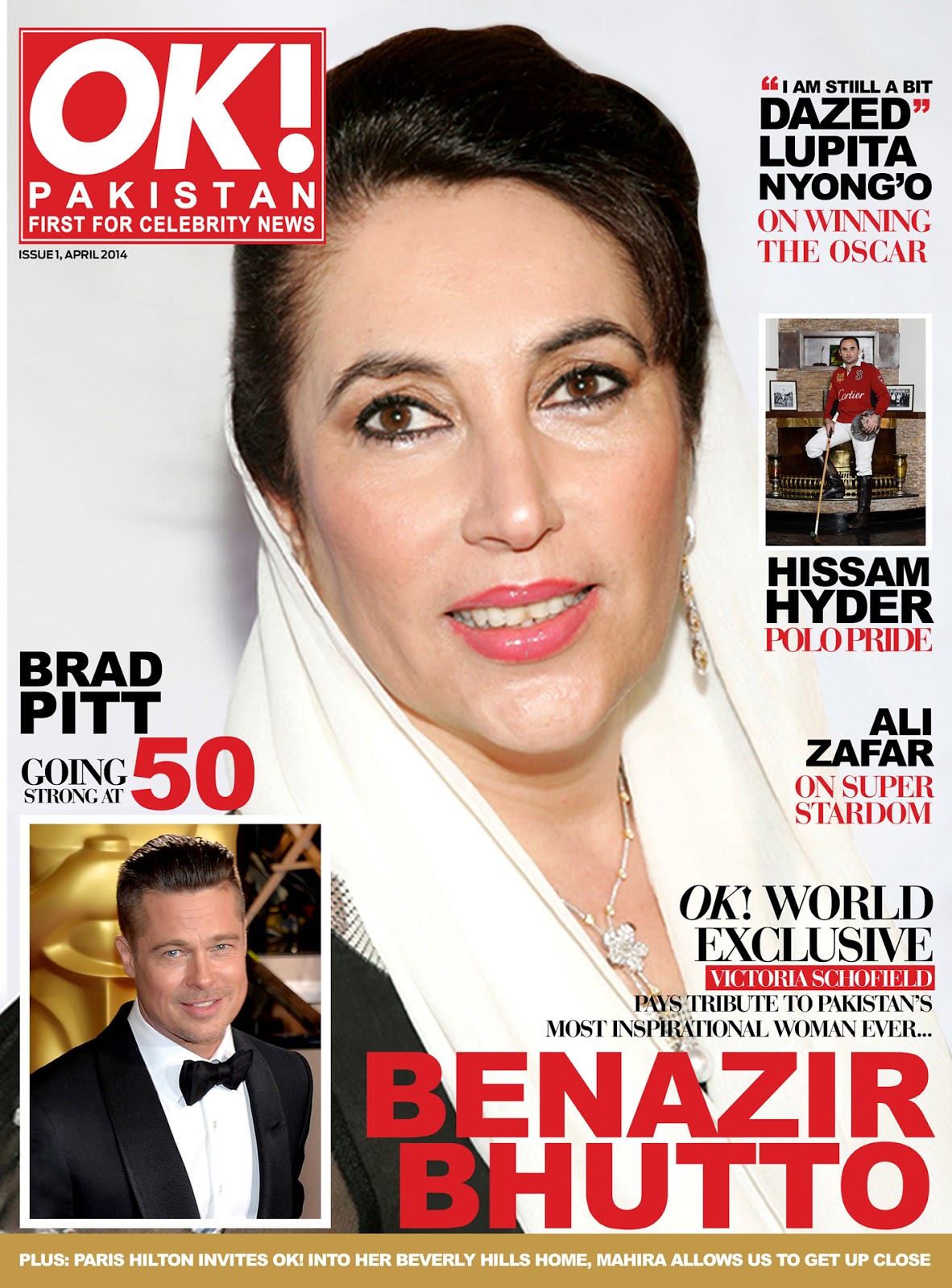
One of them is  OK MAGAZINE Pakistan.


http://www.okmagazine.com.pk/


The mag was introduced at a press conference and unveiling ceremony, which revealed the cover of the first issue of OK!The press conference of the OK! magazine Pakistan was hosted by media personality Ayesha Omar who initiated the proceedings with a welcome note before introducing the publication’s core editorial team; Paracha, Editor-in-Chief Aamna Haider Isani, Creative Editor Tania Longi, Fashion & Beauty Editor Alyzeh Rahim Shirazi and Lifestyle Editor Maira Pagganwala.


Camera Angles

BIRD EYE VIEW


This shows a scene from directly overhead, a very unnatural and strange angle. Familiar objects viewed from this angle might seem totally unrecognisable at first. This shot does, however, put the audience in a godlike position, looking down on the action. People can be made to look insignificant, ant-like, part of a wider scheme of things.


HIGH ANGLE

Not so extreme as a bird's eye view. The camera is elevated above the action using a crane to give a general overview. High angles make the object photographed seem smaller, and less significant . The object or character often gets swallowed up by their setting - they become part of a wider picture.


EYE LEVEL

A fairly neutral shot; the camera is positioned as though it is a human actually observing a scene, so that eg actors' heads are on a level with the focus. The camera will be placed approximately five to six feet from the ground.


LOW ANGLE

These increase height  and give a sense of speeded motion. Low angles help give a sense of confusion to a viewer, of powerlessness within the action of a scene. The background of a low angle shot will tend to be just sky or ceiling, the lack of detail about the setting adding to the disorientation of the viewer. The added height of the object may make it inspire fear and insecurity in the viewer, who is psychologically dominated by the figure on the screen.


POV SHOTS


Sometimes the camera is tilted , to suggest imbalance, transition and instability . This technique is used to suggest POINT-OF-View shots ie when the camera becomes the 'eyes' of one particular character,seeing what they see a hand held camera is often used for this.


Camera Framing and Shots

EXTREME LONG SHOT

This can be taken from as much as a quarter of a mile away, and is generally used as a scene-setting, establishing shot. It normally shows an EXTERIOR, eg the outside of a building, or a landscape, and is often used to show scenes of thrilling action eg in a war film or disaster movie. There will be very little detail visible in the shot, it's meant to give a general impression rather than specific information.


Long Shot


This category includes the FULL SHOT showing the entire human body, with the head near the top of the frame and the feet near the bottom. generally one which shows the image as approximately "life" size ie corresponding to the real distance between the audience and the screen in a cinema


MEDIUM SHOT


Contains a figure from the knees/waist up and is normally used for dialogue scenes, or to show some detail of action. Variations on this include the TWO SHOT and the THREE SHOT


CLOSE UP

This shows very little background, and concentrates on either a face, or a specific detail of mise en scène. Everything else is just a blur in the background. This shot magnifies the object  and shows the importance of things.


EXTREME CLOSE UP

 an extreme version of the close up, generally magnifying beyond what the human eye would experience in reality. An extreme close-up of a face, for instance, would show only the mouth or eyes, with no background detail whatsoever


Magazine Sizes

With different magazine comes their different style of approach and in different sizes.


TIME

  The dimensions of a typical Time magazine are 10 x 8 3/4 inches.


LIFE MAGAZINE 


This listing for 100 BCW brand Life Magazine size bags (14" x 11 1/8" plus a 2 1/2" flap), and 100 BCW Life Magazine size All-White Backing Boards (10 7/8" x 14", a full 24 point thick).


 ROLLING STONE MAGAZINE

The dimensions of a typical Rolling Stone magazines  8” x 10 7⁄8” Final Trim Size.


Preliminary Task - Adobe Photoshop.

After the editing through Adobe photoshop,this is the final logo with Dexters original Logo on it
The logo was taken from Google

Wednesday, 4 November 2015

Adobe Photoshop


Behind the Scenes shots taken by Nurain during the cover photoshoot
We,as a team  were Hamna,Dawood, Nurain, Abiya and I , working as the photographer,Editor, Behind the Scenes editor, light & props control and the cover model,respectively for the crime series of Dexter,The show. It consists of Dexter standing in front of wings made of blood; whilst holding a knife,wearing a blue denim shirt.
This is a close up shot captured from the eye view by Hamna